
Brand Consistency
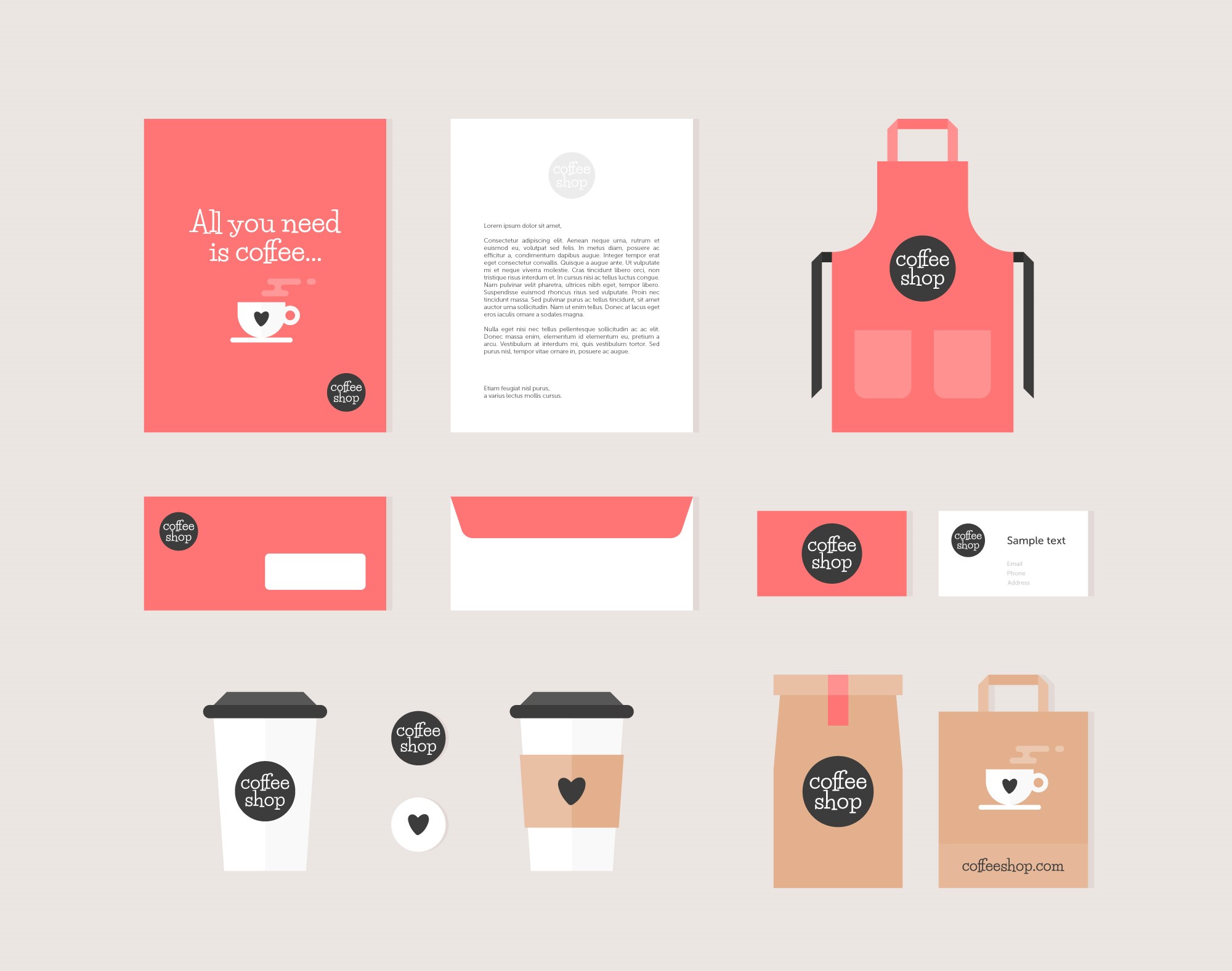
Image by Freepik
The Crucial Role of Brand Consistency in Business Success
In today’s fast-paced and competitive business landscape, creating a strong and memorable brand is essential for long-term success. However, it’s not just about having a visually appealing logo or a catchy tagline; brand consistency plays a pivotal role in shaping a brand’s identity and influencing consumer perceptions. This article explores the significance of brand consistency and why it should be a top priority for businesses of all sizes.
While brand consistency is widely acknowledged as a cornerstone of successful marketing, some business owners may fall into the misconception that it can be monotonous or dull. This perception often stems from a misunderstanding of what brand consistency entails. Rather than constraining creativity, a consistent brand provides a framework that allows for innovative expression within established parameters. It’s not about stifling creativity but about creating a cohesive and memorable brand image that resonates with consumers. A consistent brand doesn’t mean uniformity in messaging and design; instead, it offers a recognizable foundation that can be adapted and refreshed while maintaining a core identity. Embracing brand consistency doesn’t limit creativity; rather, it provides a solid foundation upon which businesses can build engaging and dynamic campaigns that stand out in the market.
Defining Brand Consistency: Brand consistency refers to the uniformity and coherence of a brand’s messaging, design elements, and overall identity across various touchpoints. These touchpoints include everything from the company’s logo and website to marketing materials, social media, and customer interactions. Consistency ensures that customers experience a cohesive and recognizable brand image at every interaction, fostering trust and loyalty.
Building Trust and Credibility: One of the primary benefits of brand consistency is the establishment of trust and credibility with consumers. When a brand presents a consistent image, customers develop a sense of familiarity and reliability. This, in turn, creates a level of trust as consumers come to expect a certain quality of products or services associated with the brand. Trust is a fundamental component of customer loyalty, and consistent branding contributes significantly to building and maintaining this trust.
Recognition and Recall: A consistent brand presence aids in creating instant recognition and recall. When consumers encounter consistent brand elements repeatedly, whether online, in-store, or in advertisements, they are more likely to remember the brand when making purchasing decisions. Consistency helps carve a distinct identity in the minds of consumers, making it easier for them to recall the brand among the myriad of options available in the market.
Differentiation in a Crowded Market: In today’s saturated markets, differentiation is key to standing out from the competition. Consistent branding helps a brand establish its unique identity, making it more memorable and distinguishable from competitors. A strong, consistent brand communicates a clear message about the company’s values, personality, and what sets it apart, enabling it to carve a niche in the market.
Enhancing Customer Experience: Brand consistency extends beyond visual elements; it also encompasses the overall customer experience. When a brand maintains consistency in its messaging, tone, and service quality, it creates a seamless and positive experience for customers. A consistent brand experience helps in building stronger connections with customers, fostering loyalty, and encouraging repeat business.
Employee Alignment and Engagement: Internally, brand consistency is equally crucial. Employees are brand ambassadors, and when they understand and embody the brand values, it translates into a more cohesive external image. Consistency in internal communication, employee training, and adherence to brand guidelines ensures that everyone within the organization is aligned with the brand’s vision and goals.
In an era where consumer choices are abundant and attention spans are fleeting, brand consistency is not just a luxury but a necessity for sustained success. A consistent brand fosters trust, recognition, and loyalty among consumers, setting the foundation for long-term relationships. As businesses navigate the dynamic market landscape, prioritizing and maintaining brand consistency should be at the forefront of their strategic efforts to secure a lasting and impactful presence in the minds of their target audience.