Logo vs Brand
Logo vs. Brand: Decoding the Differences
Let’s talk about logos and brands – two terms that often get mixed up in the world of business. They’re like the dynamic duo of a company’s visual identity, but they play different roles. So, buckle up as we dive into why each of them is essential in its own way.
First off, the logo – it’s like the symbolic face of a company. Think of it as the visual shorthand that screams, “Hey, it’s us!” Whether it’s the swoosh of Nike or the iconic Apple, logos are all about creating instant connections with consumers. They need to be simple, memorable, and versatile, like the golden arches of McDonald’s. A good logo isn’t just a pretty picture; it’s a strategic player that speaks volumes about a company.
Logos aren’t just eye candy; they’re power players in brand recognition. They add a touch of professionalism, build trust over time, and help a brand stand out in a crowded market. They’re like the superheroes of a brand’s visual identity, making sure people remember and recognize the company effortlessly.
Key Components of a Logo:
⦁ Simplicity: A successful logo is often characterised by simplicity. Clean lines, minimalistic designs, and clarity contribute to easy recognition. Think of the McDonald’s golden arches or the Twitter bird – uncomplicated yet instantly identifiable.
⦁ Memorability: Logos are crafted to leave a lasting impression. Whether through unique shapes, bold colours, or clever symbolism, a memorable logo ensures that consumers can recall and recognize the brand effortlessly.
⦁ Relevance: A logo should be relevant to the industry, values, and personality of the brand it represents. The choice of colours, fonts, and symbols should align with the message the brand aims to convey.
⦁ Versatility: Logos need to be versatile, maintaining their integrity across various mediums, from billboards to business cards. Whether scaled down to fit on a small product label or blown up for a billboard, a logo should remain clear and recognizable.
The Function of a Logo:
⦁ Brand Recognition: Perhaps the most obvious role of a logo is to facilitate brand recognition. It acts as a visual cue that triggers associations with the company, its products, and its values.
⦁ Professionalism: A well-designed logo adds a touch of professionalism to a brand. It communicates that the company cares about its image and invests in its identity.
⦁ Trust and Credibility: Consistent use of a logo builds trust over time. Consumers are more likely to trust a brand that presents a cohesive and reliable visual identity.
⦁ Differentiation: In a crowded marketplace, a logo helps a brand stand out. It distinguishes one company from another, making it easier for consumers to make choices based on familiarity and positive associations.
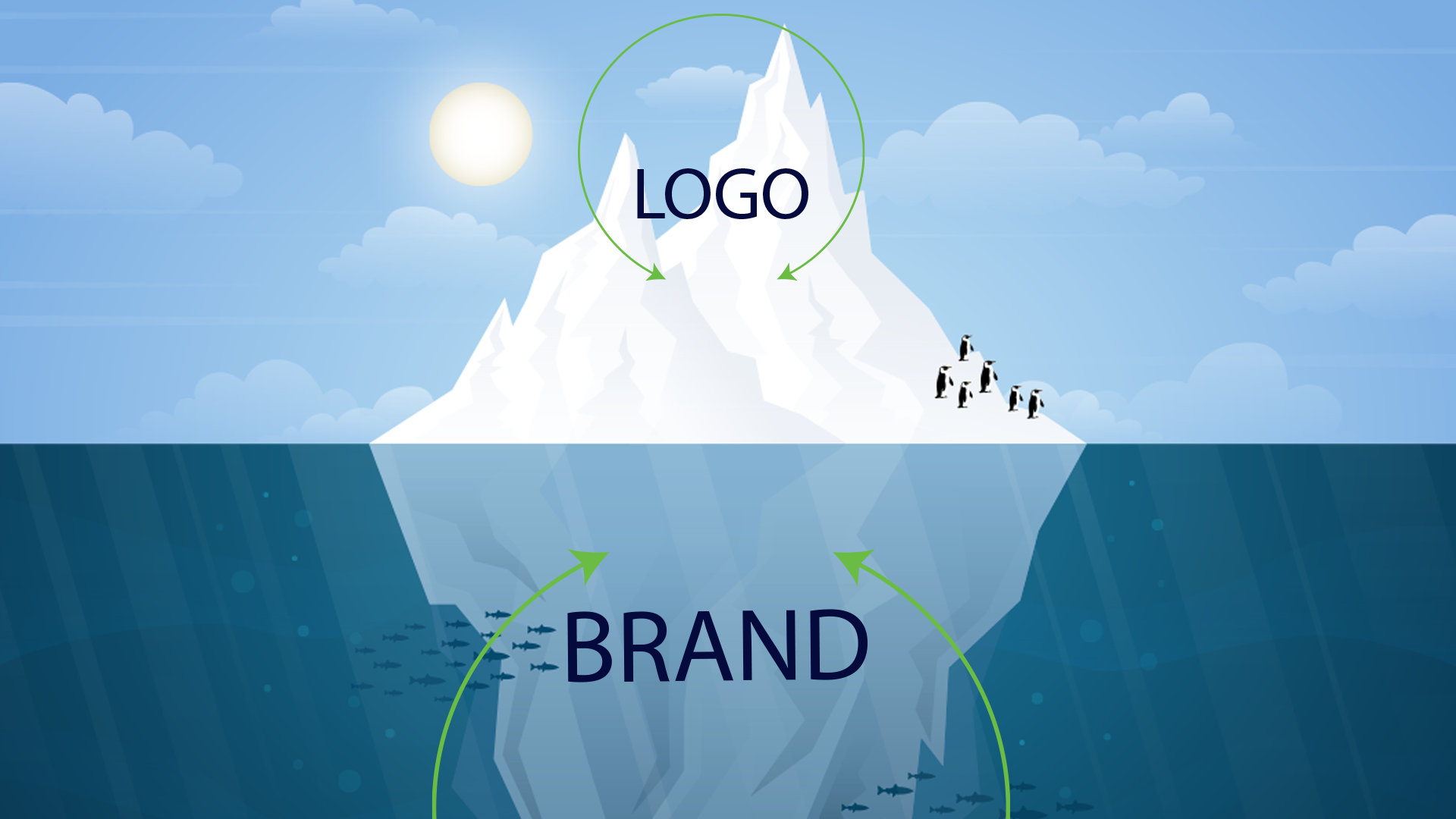
Now, let’s shift gears to the brand. It’s not just a name or a symbol; it’s the whole shebang – the holistic identity of a business. It goes beyond the visuals to include values, personality, and the emotional connections a company forges with its audience. A brand is like the personality of a business, telling its story and building relationships.
The brand has its own set of components. There’s the brand identity – the visual stuff like logos and colours that make a brand recognizable. Then, there’s brand personality – how a brand feels, whether it’s fun and lighthearted or serious and authoritative. And let’s not forget brand values, promises, and the overall brand experience.
Why does a brand matter? Well, it sets a business apart, builds trust and loyalty, creates emotional connections, and enhances the perceived value of a product or service. It’s the soul of a business, driving perceptions and loyalty beyond just what meets the eye.
Key Components of a Brand:
⦁ Brand Identity: This includes the visual elements like logos, colours, and typography that serve as the face of the brand. A consistent and well-designed identity creates a cohesive image that is easily recognizable.
⦁ Brand Personality: Just like individuals, brands have personalities. They can be fun and lighthearted or serious and authoritative. This personality is conveyed through messaging, tone of voice, and the overall brand experience.
⦁ Brand Values: The principles and beliefs that a brand upholds are crucial in shaping its identity. Brands that align with consumer values and ethics often forge stronger connections with their audience.
⦁ Brand Promise: A brand makes a promise to its customers – whether it’s about quality, innovation, or exceptional service. Consistently delivering on this promise builds trust and credibility.
⦁ Brand Experience: The interaction a customer has with a brand at every touchpoint contributes to the overall brand experience. From the website and social media to in-store interactions, each moment shapes the perception of the brand.
The Significance of a Brand:
⦁ Differentiation: In a saturated market, a strong brand sets a business apart from its competitors. It helps consumers distinguish one product or service from another based on the unique attributes and associations tied to that brand.
⦁ Trust and Loyalty: Trust is the cornerstone of a successful brand. Brands that consistently deliver on their promises and provide positive experiences cultivate loyalty among their customers.
⦁ Emotional Connection: Successful brands evoke emotions. Whether it’s excitement, joy, or a sense of belonging, emotional connections create a bond that goes beyond the functional aspects of a product or service.
⦁ Value Perception: A strong brand enhances the perceived value of a product or service. Consumers are often willing to pay a premium for a brand they trust and admire.
Now, here’s the cool part – logos and brands are like peanut butter and jelly. They’re different but work best together. Think of Apple or Nike again – their logos are iconic, but their brands go way beyond visuals. Apple is all about innovation and quality, while Nike screams athleticism and empowerment. The magic happens when logos and brands work in harmony, creating a lasting impact that resonates with consumers on a deeper level.
In the grand scheme of business identity, having a killer logo and a strong brand isn’t an either-or situation; it’s a dynamic duo that leaves a lasting mark. The logo is the face, the first impression, while the brand is the heart, the essence that connects with people. Striking the right balance between a memorable logo and a compelling brand is the secret sauce for a lasting and meaningful presence in the market. Cheers to the power of logos and brands!